
When building a new home, every detail matters—from the layout to the finishes. One of the most critical choices you’ll make is the quality of the materials used throughout your home. While it can be tempting to cut costs on certain materials, investing in quality often pays off over time. Join us as we explore the benefits of using quality materials, examples of commonly used lower-quality alternatives, and the long-term advantages of prioritizing durable, high-grade options for your home.
Why Choose Quality Materials?
Using high-quality materials when building or renovating a home isn’t just about aesthetics; it’s about creating a safe, efficient, and sustainable space that lasts. Quality materials provide several key benefits:
- Longevity: High-grade materials are designed to withstand daily wear and environmental stressors, making them last much longer.
- Value: Homes built with quality materials retain higher market value, which can be an advantage if you choose to sell later.
- Safety and Comfort: Certain materials improve thermal comfort, fire resistance, and air quality, enhancing the overall safety and comfort of your home.
- Aesthetics: Quality materials typically have a more refined, visually appealing finish and retain their appearance over time.
Let’s take a closer look at the pros of using quality materials and examine a few examples of less-durable alternatives.
Pros of Using Quality Materials
- Durability and Low Maintenance
Quality materials, like solid hardwood, natural stone, or steel-framed windows, are incredibly durable and often require minimal maintenance. While these materials might have a higher upfront cost, they reduce the need for costly repairs and replacements in the long run. - Energy Efficiency
High-quality materials contribute to better insulation and energy savings. For instance, double- or triple-paned windows, quality insulation, and energy-efficient roofing can significantly reduce energy costs by keeping your home at a more consistent temperature, which is both cost-effective and environmentally friendly. - Resale Value
Homes built with premium materials tend to retain and even increase in value. Buyers recognize the benefits of quality construction, which can make your home more attractive in a competitive market. This added value can offset the initial investment in quality materials. - Environmental Impact
Opting for sustainable, high-quality materials, such as reclaimed wood, low-VOC paints, or recycled steel, can reduce your home’s environmental footprint. These choices support sustainable practices and often contribute to better indoor air quality, making your home healthier for you and your family.
Commonly Used Lower-Quality Materials and Their Drawbacks
While lower-quality materials may have a smaller initial price tag, they often require more maintenance, replacements, and can detract from your home’s appeal over time. Here are a few common examples:
Vinyl Windows vs. Fiberglass or Wood-Framed Windows
Vinyl windows are affordable, but they may warp or discolor over time, especially in extreme temperatures. Fiberglass or wood-clad windows, while more expensive, last longer and offer better R-values and protection against air infiltration..
Zip Sheathing vs. Standard Sheathing
Homes are conventionally sheathed with OSB (oriented strand board) and have a paper vapor barrier stapled to the sheathing. Zip sheathing includes a built-in vapor barrier that’s bonded to the exterior side. It can also contain a layer of rigid insulation (typically ½” – 1” thick) bonded to the interior side of the sheathing. This creates a continuous insulating barrier. Not only does that add to the R-value of the wall, but it also creates a thermal break around the entire perimeter of the home. Homes wrapped with conventional, non-insulated sheathing have a ‘thermal bridge’ at every stud, which allows cold (or warm) air to easily transfer into the home.
AdvanTech Subfloor vs. Standard Subfloor
Standard OSB or plywood subfloors can shrink or swell during construction (and after). This movement can lead to buckled seams, sagging, and squeaking. AdvanTech floors are strong, moisture resistant, and come with a squeak-free guarantee. Regardless of the material, the subfloor should be glued and screwed. Some builders will use the faster/cheaper approach of simply nailing the subfloor to the joists.
Plastic Laminate Countertops vs. Granite or Quartz
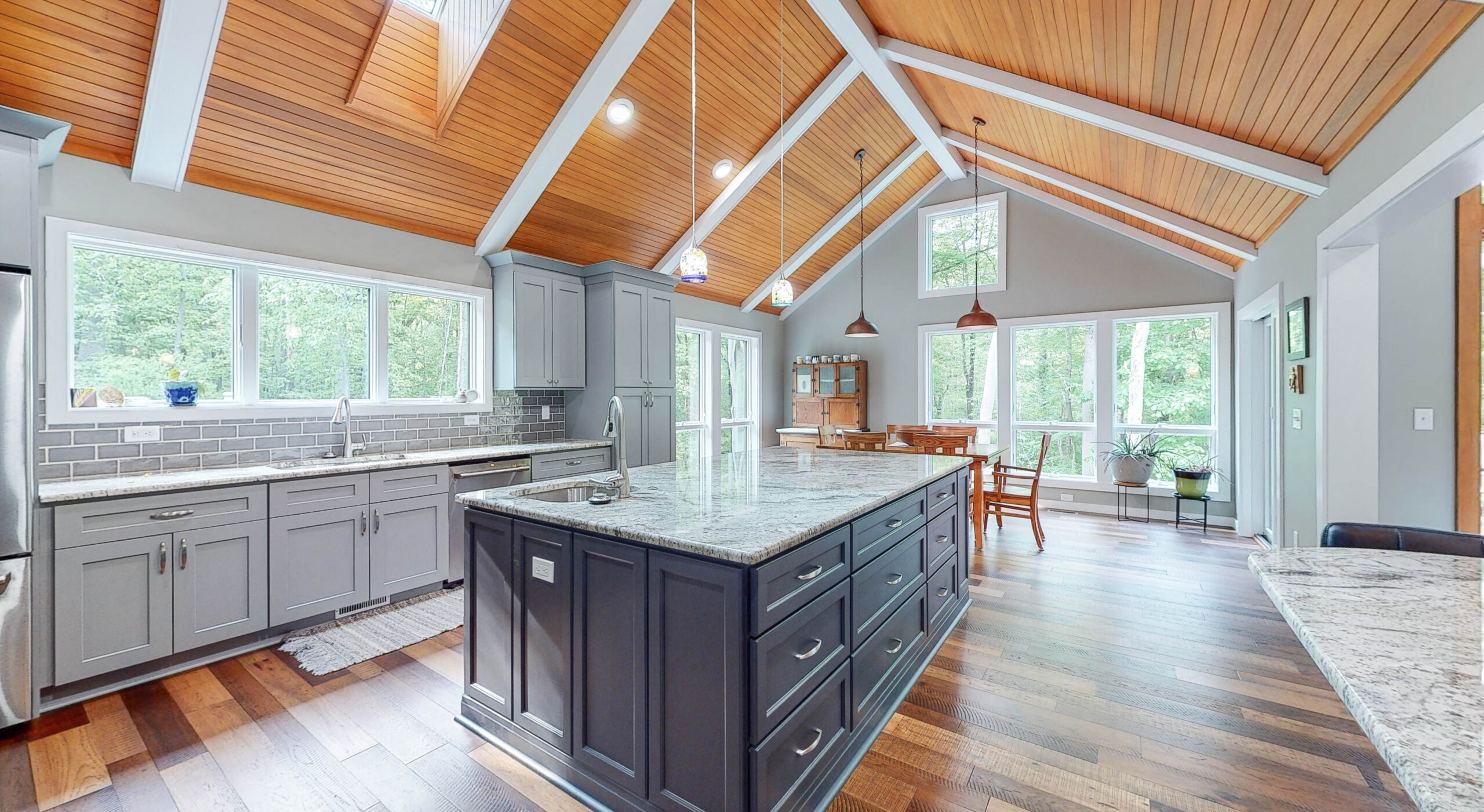
Laminate countertops are cost-effective but are prone to scratches, burns, and chipping. Granite or quartz countertops are more durable, heat-resistant, and offer a more luxurious look that enhances your kitchen’s aesthetic and functionality.
Advantages of Using Quality Materials
If you choose to invest in quality materials, here’s what you can expect for your home:
- Increased Lifespan of Key Home Elements
High-quality materials significantly extend the lifespan of everything from floors to countertops. This longevity reduces the frequency of repairs and the overall costs associated with maintenance, saving you money and hassle in the long run. - Lower Total Cost of Ownership
While the initial costs of premium materials might be higher, the reduced need for repairs, replacements, and maintenance ultimately leads to lower total costs over the life of the home. Quality materials are a true investment that protects your home’s structure and functionality. - Enhanced Comfort and Safety
Quality insulation, durable flooring, and energy-efficient windows all contribute to a safer, quieter, and more comfortable environment. They help maintain consistent indoor temperatures, dampen outside noise, and reduce allergens, making your home a more pleasant place to live. - Sustainability and Reduced Environmental Impact
Premium materials often come from sustainable sources and have longer lifespans, reducing waste over time. When combined with energy-efficient products, your home can achieve better energy efficiency, helping you lower your carbon footprint while saving on utility bills. - Beautiful Aesthetics that Last
Quality materials have a distinct look and feel, often lending a timeless elegance to your home. From the rich textures of natural stone to the warmth of hardwood, these materials age gracefully, maintaining their appearance and appeal.
Choosing Quality with Fidei Custom Homes
At Fidei Custom Homes, we believe in building long-lasting homes by using only high-quality materials that offer durability, efficiency, and beauty. Our commitment to excellence means we prioritize materials that not only enhance your home’s appearance but also provide long-term value. Ready to experience the difference quality makes? Contact Fidei Custom Homes today for a free consultation and discover how we can bring your vision to life with craftsmanship that lasts.